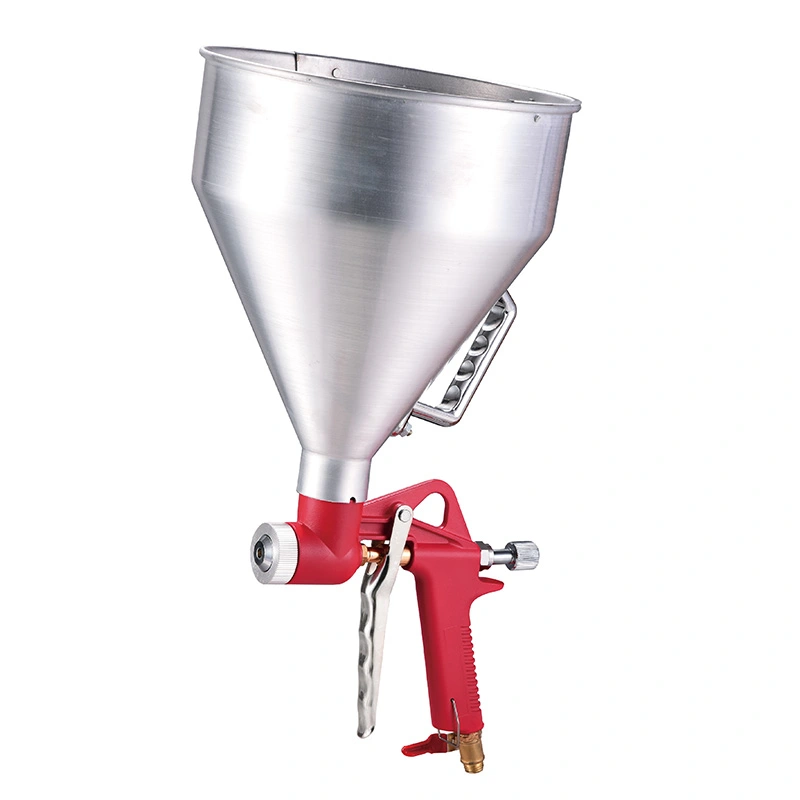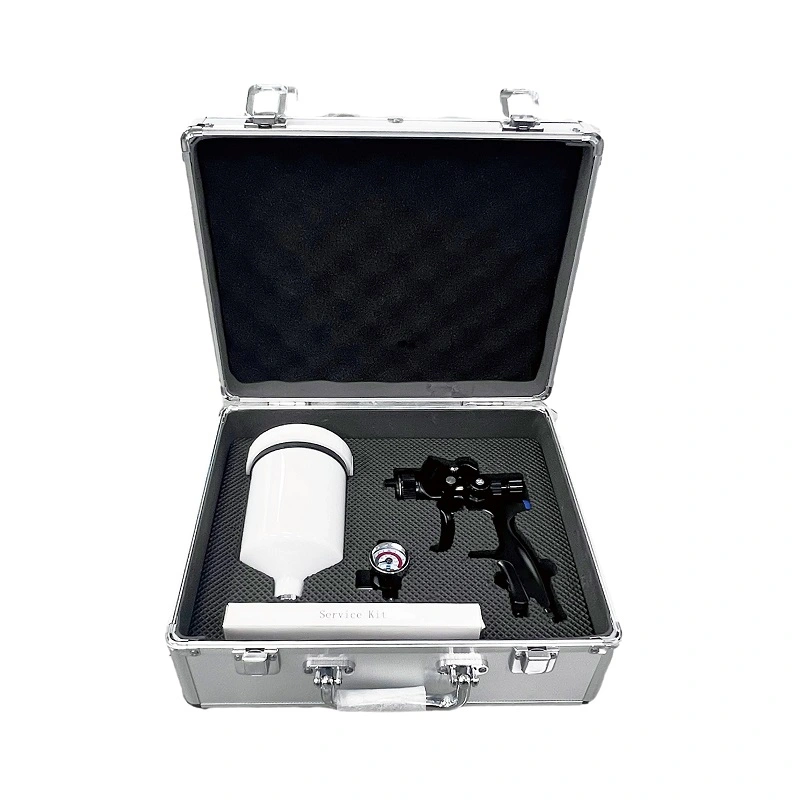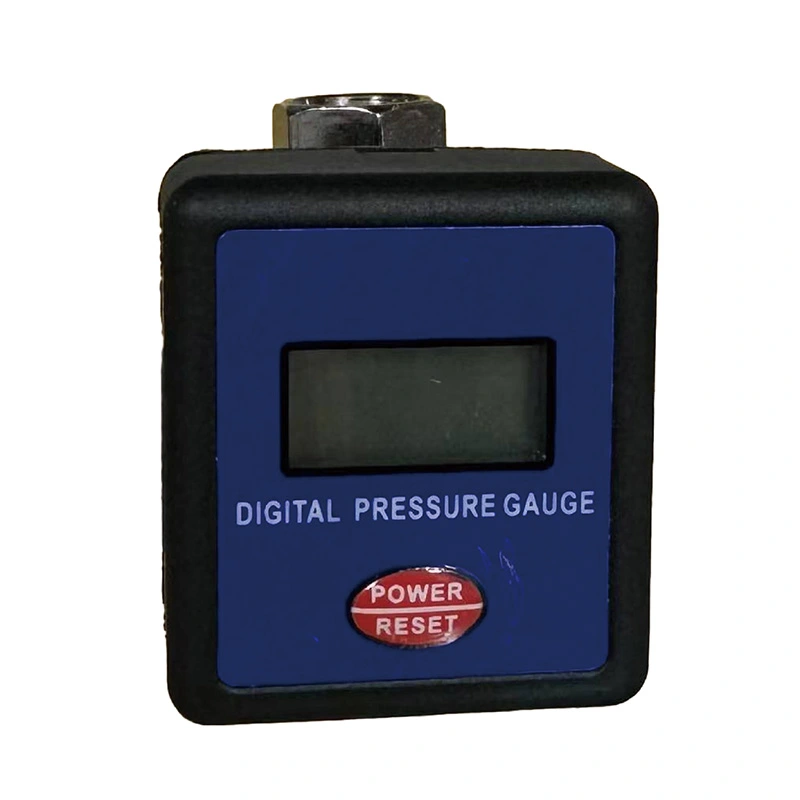
Achieving a professional-grade automotive finish is 30% equipment and 70% technique and preparation. Whether you are a DIY enthusiast or a professional technician, the key to better results lies in mastering surface preparation, choosing the right automotive spray gun, and controlling environmental variables. In this guide, we break down the top automotive spray painting tips that will help you eliminate orange peel, runs, and inconsistent atomization.
The most common mistake in automotive painting is rushing the prep work. Paint only highlights the imperfections underneath.
Deep Cleaning: Use a high-quality wax and grease remover before you start sanding. Any residual oil from your hands or silicone from car care products will cause “fish eyes.”
Gradual Sanding: Start with a lower grit (e.g., 320 or 400) to level the surface, and finish with 600 to 800 grit for the base coat.
Tack Cloth is Your Best Friend: Right before spraying, use a tack cloth to remove every microscopic dust particle.
Using a “one-size-fits-all” approach leads to poor atomization. At Porphis, we recommend matching your nozzle size to the material’s viscosity.
HVLP (High Volume Low Pressure): The industry standard for efficiency. It provides high transfer efficiency with minimal overspray.
Nozzle Size Guide:
1.3mm - 1.4mm: Ideal for base coats and clear coats.
1.7mm - 1.8mm: Best for high-build primers.
2.0mm+: Necessary for thick polyester primers or specialty coatings.
| Coating Type | Recommended Nozzle Size | Ideal Air Pressure (PSI) |
|---|---|---|
| Primer / Sealer | 1.7mm - 1.8mm | 20 - 25 PSI |
| Base Coat | 1.3mm - 1.4mm | 25 - 29 PSI |
| Clear Coat | 1.3mm | 28 - 32 PSI |
Your physical movement dictates the uniformity of the paint.
The 50% Overlap Rule: Each pass should overlap the previous one by 50%. This ensures even coverage and prevents “tiger stripes.”
Keep it Perpendicular: Always hold the spray gun 90 degrees to the surface. Arcing your wrist causes thin paint at the edges and heavy paint in the middle.
Distance Control: Maintain a consistent distance of 6 to 8 inches (15-20 cm). Too far causes “dry spray”; too close causes “runs.”
Temperature and humidity can make or break your finish.
The Sweet Spot: Aim for a temperature between 20°C (68°F) and 25°C (77°F).
Dry Air is Critical: Moisture in your air lines is the enemy. Ensure your compressor has a high-quality water trap and air filter. Porphis spray gun accessories include specialized filters that help maintain a clean air supply.
Flash Times: Never rush the next coat. Follow the manufacturer’s recommended flash-off time to allow solvents to evaporate, preventing solvent pop.
Orange Peel: Usually caused by air pressure being too low or the paint being too thick. Increase the pressure or use a slightly faster-acting reducer.
Runs and Sags: Caused by moving too slowly, being too close to the panel, or applying a coat that is too heavy.
Dry Spray: Often happens in hot weather or when the spray gun is held too far away. The paint dries before it hits the surface.
A professional-grade spray gun can last a lifetime if maintained.
Immediate Cleanup: Never let paint dry inside the gun. Disassemble the nozzle and needle immediately after use and clean them with the appropriate solvent.
Lubrication: Use non-silicone lubricant on moving parts to ensure a smooth trigger pull for your next project.
At Porphis, we understand that every project is a masterpiece in progress. That’s why we provide high-performance HVLP spray guns, precision nozzles, and essential accessories designed to give you professional results at every step. Our equipment is engineered for stable atomization and ergonomic comfort, allowing you to focus on your art, not your tools. Ready to elevate your automotive finish? Explore the Porphis Professional Spray Gun Collection Today.
Q: What is the best air pressure for automotive spray painting?
A: For most HVLP spray guns, the ideal inlet air pressure is between 25 and 30 PSI, depending on whether you are spraying base coat or clear coat.
Q: How do I avoid orange peel when spraying clear coat?
A: To avoid orange peel, ensure your air pressure is high enough to properly atomize the clear coat, maintain a consistent distance, and ensure the paint viscosity is adjusted correctly for the ambient temperature.
Q: Which spray gun is better: HVLP or LVLP?
A: HVLP (High Volume Low Pressure) is better for most automotive painting because of its high transfer efficiency. LVLP (Low Volume Low Pressure) is better for smaller compressors as it requires less air volume (CFM).
Q: How many coats of clear coat should I apply?
A: Generally, two “wet” coats of clear coat are recommended. Allow the first coat to flash (dry slightly) according to the product datasheet before applying the second.

 English
 日本語
日本語 한국어
한국어 français
 Deutsch
 Español
 italiano
 русский
 العربية
 Polska